COVID-19 Update: MSEDP is operational and committed to responding to the needs of our customers.
COVID-19 Update: MSEDP is operational and committed to responding to the needs of our customers.
hello world!
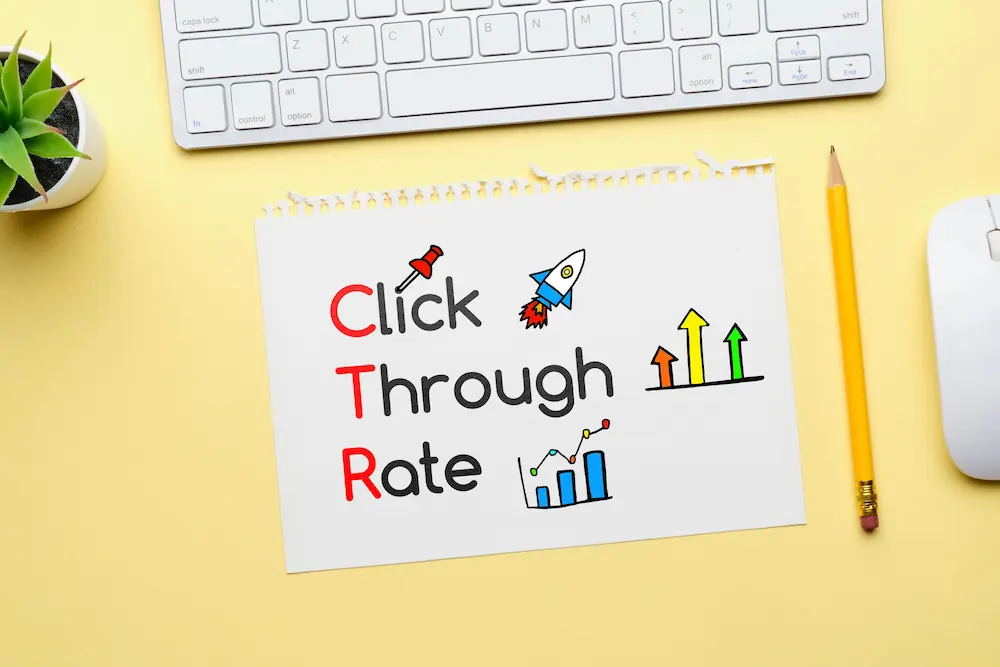
The click-through rate for a website is a crucial element for any website. Having users see your website while scrolling on Google is one thing, but actually clicking on the listing is another. Improving the organic CTR involves a mix of SEO enhancements, technical optimizations, and content strategies. Below is a collection of tips and best practices that can boost click-through rates and help websites grow organic traffic. At MSEDP, our SEO services aim to satisfy these queries and improve the click-through rate by using these best practices. For more clarification on these aspects, please reach out to MSEDP. Our web professionals will answer any questions you may have regarding click-through rates and their subsequent impacts.
The title tag is a critical factor for both SEO and organic CTR. As the first element users notice in search results, it plays a major role in determining whether they choose to click on your listing. You can do this by including the target keyword near the beginning of the title to clearly signal relevance to both search engines and users. At the same time, keep the title descriptive and concise so it accurately represents the page content. Aim for fewer than 60 characters to ensure it displays fully in search results without being truncated. At MSEDP, we use tools to preview how the title will appear in Google’s SERPs.
It is also important to use emotional triggers, which helps to optimize title tags. In general, words like “ultimate," “essential,” and “easy” can provoke curiosity or urgency, making users more likely to click. However, it is important to avoid duplication. Each page on a website should have a unique title tag to prevent confusion in search rankings, while keeping each page unique. Lastly, A/B testing can prove worthwhile when landing on the best title tags. We will experiment with different variations of the titles to see which perform the best.
Overall, a compelling title tag can make the difference between a user clicking on your result or choosing a competitor’s. And in general, title tags help search engines understand what your page is about and are a critical factor in ranking. Optimizing your title tags is a straightforward but powerful way to improve organic CTR, helping drive more traffic to your site without requiring additional time or resources.
Although meta descriptions do not directly affect SEO rankings, they play a key role in influencing organic click-through rates. A well-written meta description serves as a mini advertisement for your page, encouraging users to click through from the search results. For the most part, a compelling meta description can distinguish between a user clicking on your listing or continuing to scroll. And while not a ranking factor, a good meta description can increase the visibility of your keywords when they are bolded in search results, aligning with specific user queries. All this leads to improved SEO in general.
Here are a few ways in which to best optimize meta descriptions.
In the end, a well-optimized meta description can improve click-through rates. They provide a better understanding of the webpage content and encourage more qualified clicks.
A well-structured URL not only helps search engines understand the relevance of your content, but it also influences user perception. This makes it an essential factor for improving click-through rates. When a website has clean and descriptive URLs, it gives users a clear idea of what to expect on the page and while going through the website in general. Overall, improving the URL structure increases the likelihood of clicking on the link. On top of that, well-structured URLs can enhance SEO efforts by including relevant keywords that further align with search queries and boost CTR.
Enhancing URL structure can greatly improve both user experience and SEO. URLs that are clear, descriptive, and relevant to your target keywords are more likely to attract clicks and boost your site’s visibility in search results.
 Since mobile internet usage continues to rise, having a mobile-optimized website is essential for delivering a strong user experience and improving click-through rates. Mobile optimization enhances usability and performance, which can directly boost organic CTR. Sites that are optimized for mobile often see a noticeable increase in CTR compared to those that are not. In general, Google indexes websites based on their mobile version first. What this means is that a well-optimized mobile site is essential for good SEO performance. And not for nothing, but a mobile-friendly website provides a better browsing experience, reducing bounce rates and potentially increasing CTR from mobile users.
Optimizing your site for mobile is crucial in today’s mobile-first world. Not only does it improve SEO, but it also enhances organic CTR, as the majority of users are likely to access your site from their mobile devices.
Grasping and aligning with the user intent behind search queries is key to boosting a website's click-through rates. When content accurately meets what searchers are seeking, they are far more likely to click on a link in the search results. With increased relevance, you will have content that matches user intent. Which in turn is more likely to satisfy the searcher’s needs, thus lead to higher engagement and CTR. And ultimately, leading to better rankings since Google prioritizes content that best satisfies user intent. The SEO staff at MSEDP specializes in content writing and knows how to ably focus on user intent.
Optimizing for user intent enhances click-through rates and improves the overall user experience. Any website is more likely to fulfill visitors’ needs and encourages them to return if it is geared towards the intent of the user.
Refreshing and updating old content is a powerful way to boost click-through rates. Refreshing older content keeps all information accurate and relevant while signaling to search engines that the content is up to date, which can enhance overall rankings and attract more clicks. When the content is refreshed, it boosts overall relevance, too. Updating the information, statistics, and resources ensures all content remains relevant to current search queries. In turn, this improves the rankings since search engines favor recently updated content. And when it is all said and done, refreshing old content enhances user engagement. Fresh and relevant content is more likely to engage visitors, which reduces the overall number of bounces while potentially increasing click-through rates.
By regularly refreshing old content, you are ensuring your site remains competitive and relevant, which boosts overall click-through rates and improves overall user satisfaction.
© Copyright 2021 Mannino Systems. All Rights Reserved